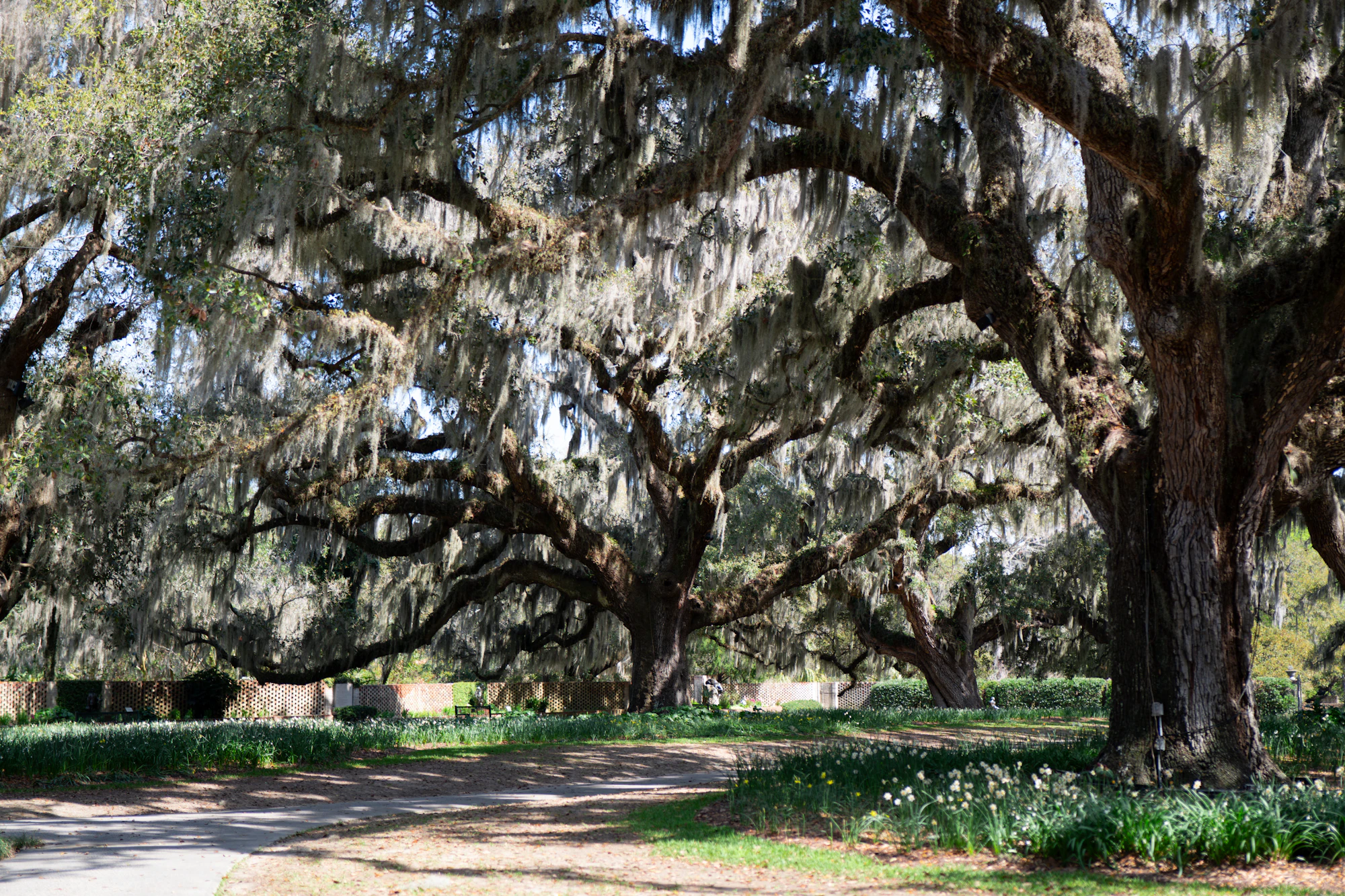
There is a particular kind of quiet that settles over a Southern afternoon. The heat thickens, the cicadas take over, and the Spanish moss hangs so still in the live oaks that it looks painted on. I have always believed that a story begins in a place long before it begins with a person, and few places hold a story the way the South does.
A landscape that remembers
Southern places carry their history close to the surface. A leaning fence line, a church that has outlived three congregations, a porch swing worn smooth by generations: each one holds a memory that someone, somewhere, still tells at the supper table. When I sit down to write, those details are not decoration. They are the bones of the story.
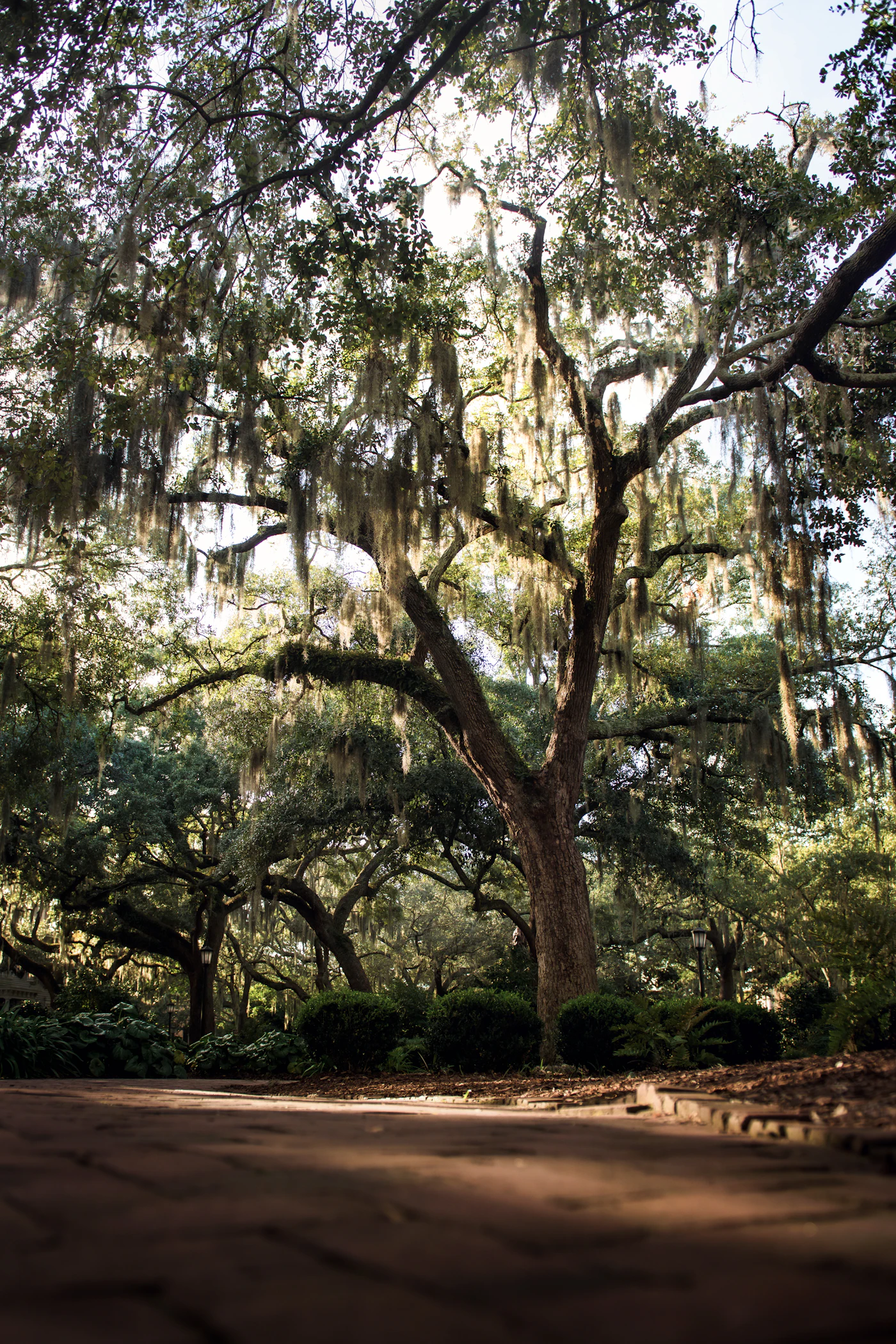
In My Sweet Elisabeth, the land itself is a character. The oaks watch. The river keeps time. The heat presses in on every decision the characters make. I wanted readers to feel that the setting was not simply where the story happened, but part of why it happened at all.
Family, faith and the weight of the past
Southern storytelling has always been rooted in family: the people we come from, the promises we inherit, and the secrets we are asked to keep. Those themes are universal, but in the South they seem to sit a little heavier. Everyone knows everyone’s grandmother. Nothing is ever quite forgotten.
A story begins in a place long before it begins with a person.
That closeness is a gift to a writer. It means every choice a character makes ripples outward into a whole community. A single act of love, or betrayal, or courage can echo for decades.
Why it still matters
We live in a fast, loud world. Southern stories ask us to slow down, to sit on the porch a little longer, to listen to the elders, and to notice how the light changes in the late afternoon. I think readers are hungry for that kind of stillness, and for stories that remind them where they come from.
If you have read My Sweet Elisabeth, I would love to hear which places in the book stayed with you. And if you haven’t yet, I hope it gives you an evening of that unhurried Southern quiet.