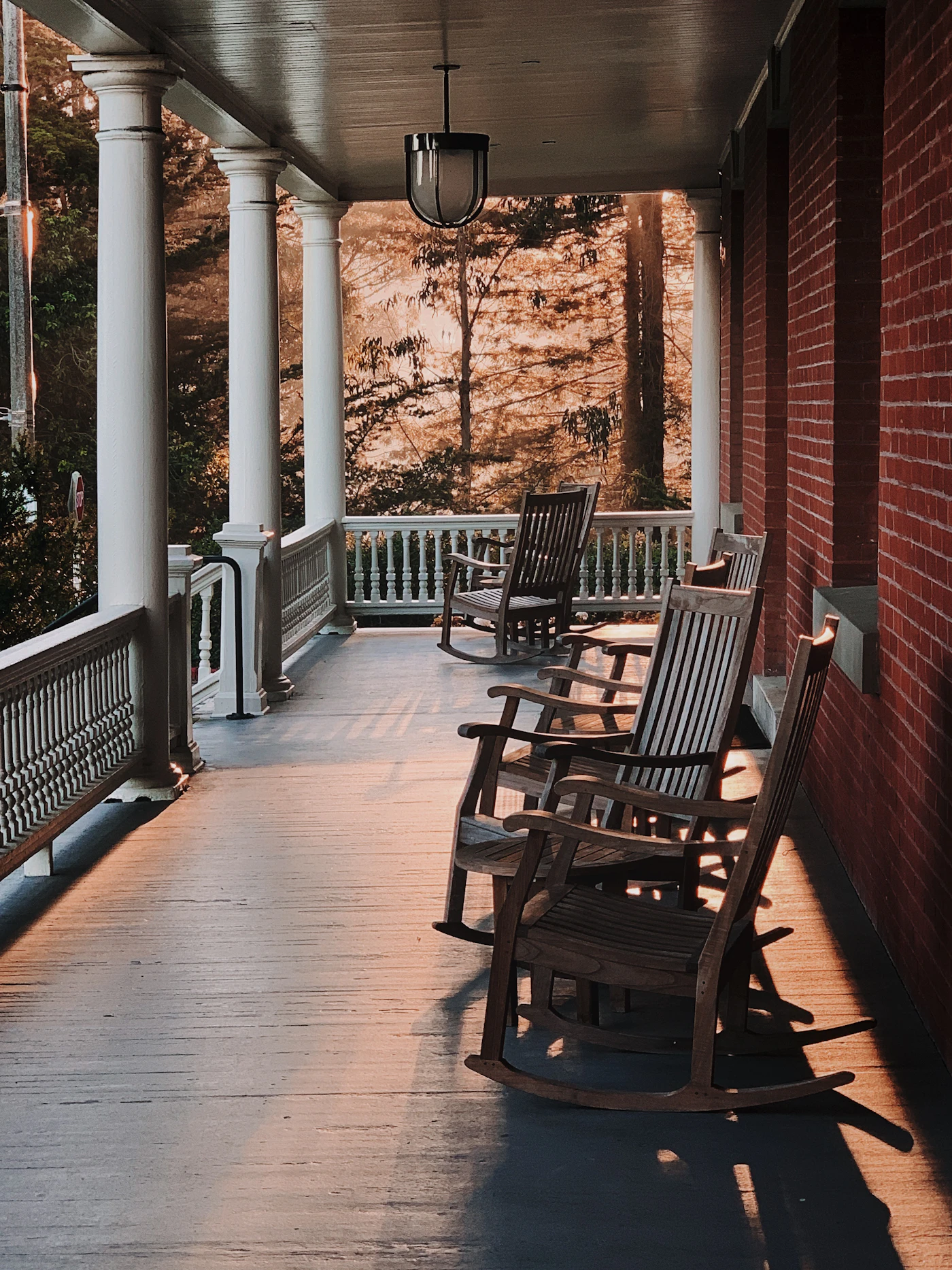
Every writer has a time of day they keep returning to. For me, it is the golden hour: that last stretch of daylight when the sun drops low, the shadows grow long, and everything it touches seems to glow from the inside.
Readers sometimes ask why so many key moments in My Sweet Elisabeth happen at dusk. The honest answer is that I don’t think I could have written them any other way.
Light as memory
Golden hour light is soft, warm and a little bit unreal. It is the light of old photographs and half-remembered summers. When a scene is bathed in it, the reader instinctively understands that this is a moment worth holding on to, a moment that will be remembered long after it ends.
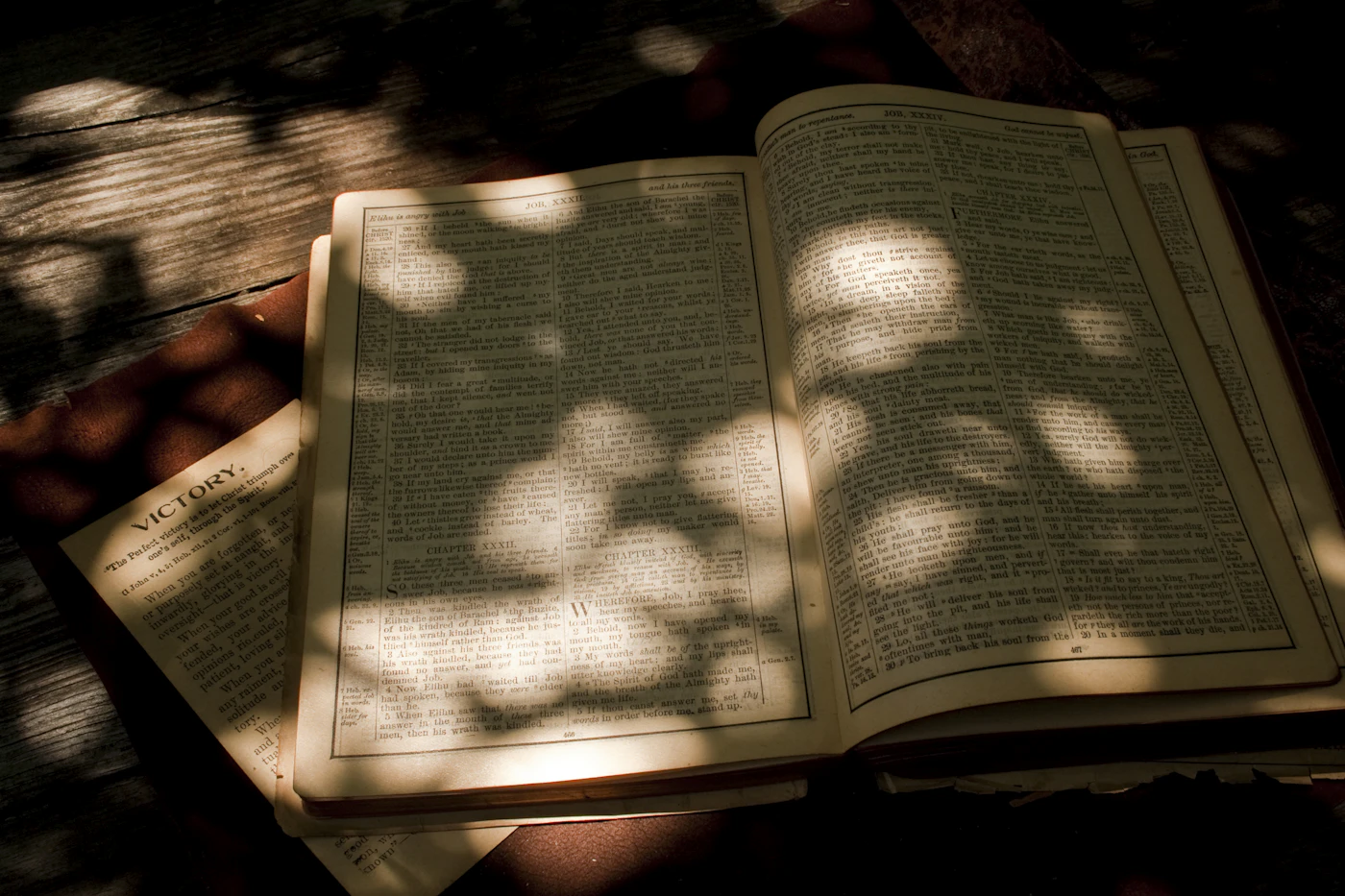
Memory works the same way. We rarely remember the harsh noon hours of our lives. We remember the evenings: the porch conversations, the drive home with the windows down, the last hour before everything changed.
Writing in the in-between
Dusk is an in-between time. It is no longer day, and not yet night. That makes it the perfect stage for characters who are standing on the edge of a decision. Something is ending. Something else is about to begin.
We rarely remember the harsh noon hours of our lives. We remember the evenings.
A small exercise for writers
If you write, try this: take a scene you are struggling with and move it to the last hour of daylight. Describe the light first, where it falls, what it warms and what it leaves in shadow. Then let your characters walk into it. You may be surprised how much the light tells you about what they are feeling.
And if you simply love to read, the next time you open a book in the late afternoon, notice the light on the page. Some stories are best read at the hour they were written.